Changing a Water Right and the No-Injury Rule
A water right can move. What moves is not the number on the certificate but the amount historically consumed, and every other user on the source is entitled to the same water at the same time and in the same condition as before.
The rule in short
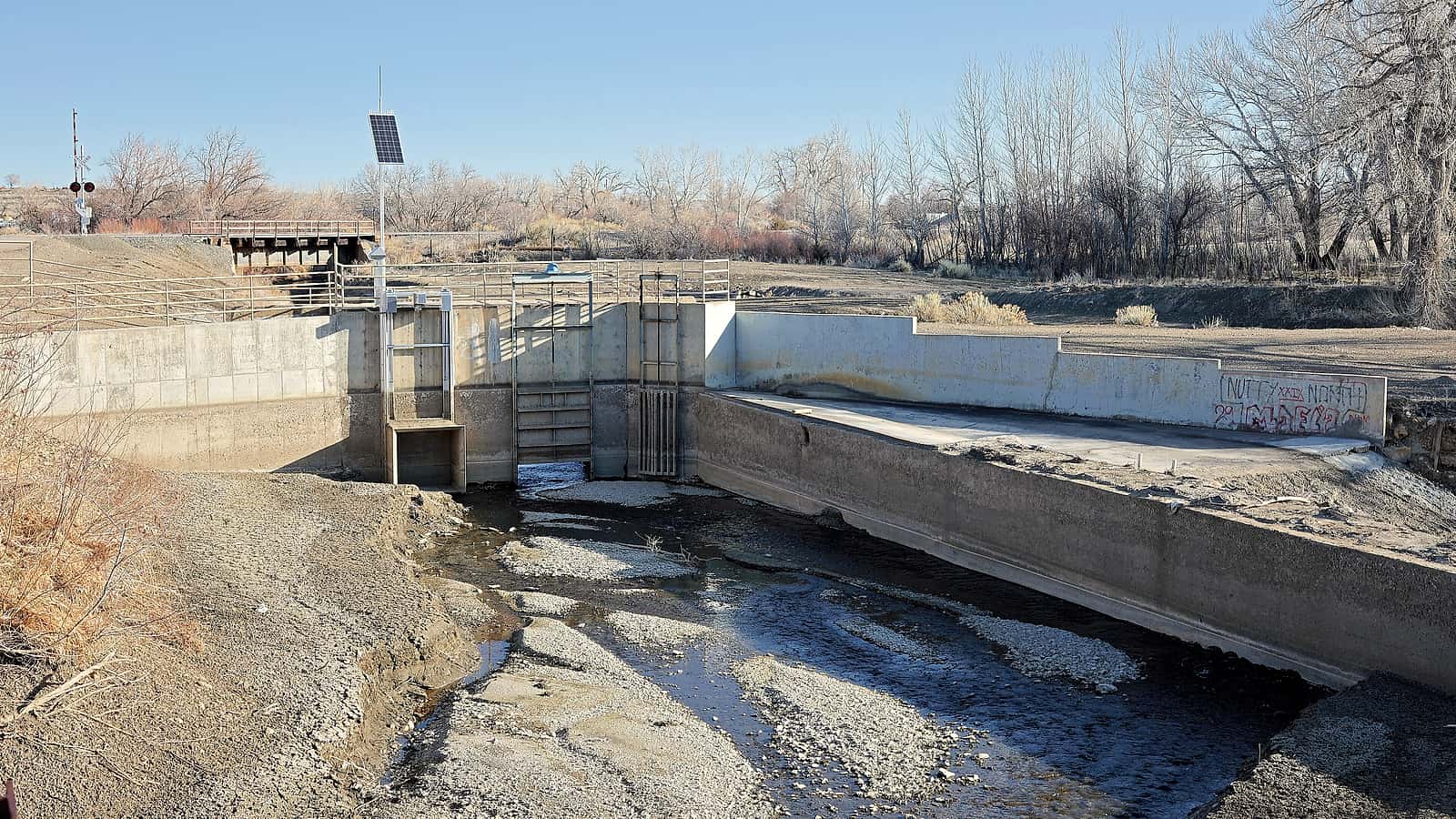
A holder may apply to change the point of diversion, place of use, purpose of use or season of a water right, keeping the original priority date. Approval depends on the no-injury rule: no other vested right may be diminished in quantity, timing or quality. The transferable amount is limited to historical consumptive use computed over a representative period, and return flows must be replicated in amount, timing and location. Applications are published, protested and approved with conditions.
Every term of a water right is a limit, so changing any of them requires permission. What survives a change is the priority date, and that is what makes an old agricultural right worth buying: a municipality cannot appropriate seniority, but it can acquire it. What it acquires with it is a proceeding in which every other user on the source is entitled to be heard.
The terms that can move
The changeable terms are the point of diversion, the place of use, the purpose or type of use, and in most states the season or time of use. A single application can seek more than one. The source and the priority date are not changeable, because moving a right to a different stream is a new appropriation and moving a date is impossible.
Some rights cannot be changed by their holders at all. Water delivered through a district or a mutual ditch company is often represented by shares, and the entity rather than the shareholder controls transfers, subject to the rules discussed under district assessments, delivery and governance. Federal project water carries contract restrictions layered over state law.
The quantity that may actually move
The transferable amount is historical consumptive use: the water actually consumed by the historical use and never returned to the system. It is computed from a study period long enough to be representative, using measured or estimated diversions, crop consumptive use, irrigated acreage, conveyance losses and return flow timing. Years of nonuse are included in the average in most states, which drags the figure down.
Three numbers are always different and always confused. The decreed amount is a ceiling. Historical diversion is larger than consumptive use. Consumptive use is what transfers. A buyer paying for the decreed figure and receiving the consumptive figure has usually overpaid by a wide margin, and the distinction traces directly to beneficial use as the measure and limit of the right.
Proving historical consumptive use means producing the record of what was actually done: aerial photography by year, crop reports, ditch company delivery records, headgate measurements, tax filings and lease agreements. That record frequently shows gaps. Gaps reduce the average, and in a bad case they support a claim of partial forfeiture under the nonuse doctrines, so the application that was meant to unlock value ends by shrinking the right. Reconstructing the record before filing, rather than after a protest, is the difference between a negotiation and a loss.
Return flows and the shape of injury
Injury is not limited to taking someone else's water. A downstream junior whose supply has always included the seepage and tailwater from an upstream farm has a right built on that return flow. Move the farm's water to a city that discharges through a treatment plant fifty miles away, and the junior is injured even though the total consumed is unchanged.
Approvals therefore require replication: return flows must be delivered in the same amount, at the same time of year, at the same location. Where that cannot be done directly, applicants supply replacement water, build recharge structures, or operate under an augmentation plan that delivers substitute supply when depletions occur. Timing analysis of this kind is the same discipline used in conjunctive management of wells against surface rights.
Filing, notice and protest
| Change sought | Central question | Common condition on approval | Usual objection |
|---|---|---|---|
| Point of diversion moved upstream | Whether intervening rights lose supply | Bypass flows and measurement at both points | Dry reach between the old and new points |
| Place of use moved | Whether return flows shift location | Dry-up covenant and replacement deliveries | Loss of seepage relied on downstream |
| Purpose changed from irrigation to municipal | Whether consumption and timing increase | Volume cap, seasonal limits, accounting | Year-round demand replacing a seasonal one |
| Season extended | Whether depletions occur when supply is short | Curtailment terms in specified months | Injury concentrated in late summer |
| Conversion to instream flow | Whether the reach can be protected in fact | Reach definition and gaging requirements | Enlargement of the historical right |
The application goes to the state engineer, the department of water resources, or in one state to a water court. Notice is published and mailed, and a protest period follows, commonly measured in weeks rather than months. Protests are resolved by stipulation, by hearing, or by conditions the agency writes into the approval. Appeal lies to a district or water court and then upward in the ordinary way.
Living with the conditions
Approvals are rarely unconditional. Typical terms include installation and maintenance of measuring devices, monthly accounting submitted to the agency, a recorded dry-up covenant with revegetation obligations, caps on rate and annual volume, seasonal restrictions, and a requirement that the augmentation supply be maintained in perpetuity. Failure to comply is enforceable by curtailment of the changed right, which returns the holder to a worse position than before the change.
The conditions also outlive the applicant. They bind successors, they appear in the decree entered in a general stream adjudication, and they are administered against the same priority list that governs every other right established under first in time, first in right. A buyer acquiring a changed right acquires the accounting obligation with it.
Points to carry away
- The priority date survives a change; nothing else about the right necessarily does.
- A change is approved only if no other vested right is injured in quantity, timing or quality.
- The transferable amount is historical consumptive use, not the paper quantity or the diversion.
- Consumptive use is computed over a representative period of record rather than a single best year.
- Return flows relied on by other users must be replicated in amount, timing and location.
- Approvals carry conditions, commonly including dry-up of the historically irrigated land and measurement.
Questions readers ask
Who may protest a change application?
Anyone whose water right could be injured, which in practice means other appropriators on the source, ditch companies and districts, and in most states the state agency itself acting for the public interest. Several states also allow protests grounded in effects on the local economy or on the area of origin, and a few permit conservation organizations to be heard on environmental terms. The protest must be filed within the published period, and it must identify the right said to be injured rather than objecting in general terms.
Can a right be changed temporarily without a full proceeding?
Most states provide an expedited route for temporary or emergency changes, typically limited in duration and often conditioned on a finding of no injury made on an abbreviated record. Temporary approvals are useful for drought leases, short-term municipal supply and instream flow arrangements, and they usually do not establish the historical consumptive use figure for a later permanent change. Relying on a string of temporary approvals as if they were a permanent transfer is a common and expensive mistake.
What happens to the land the water used to serve?
It is ordinarily dried up, and the obligation is enforced. Approval commonly requires a covenant recorded against the historically irrigated acreage prohibiting irrigation from any source, with revegetation and weed control obligations attached to prevent erosion and dust. The covenant runs with the land, which means a later buyer of that ground acquires a parcel that cannot be irrigated, whatever the seller may have implied. Verifying dry-up covenants is a standard step in agricultural land diligence.
Sources
- Cornell Legal Information Institute — 43 U.S.C. 372, Appurtenance of water right to landThe appurtenance rule that constrains moving project water away from the land it serves.
- Cornell Legal Information Institute — 43 U.S.C. 383, Vested rights and State laws unaffectedFederal deference to state transfer law and to vested rights protected by it.
- Cornell Legal Information Institute — 43 U.S.C. 661, Appropriation of waters; easementsRecognition of rights and of the ditch easements a change of diversion often requires.
- U.S. Geological Survey — Water ResourcesStreamflow, diversion and consumptive use data used in transfer engineering.
- USGS National Water Information SystemRecords establishing availability and timing at old and new points of diversion.
- Bureau of Reclamation — WaterSMARTFederal programs supporting transfers, leases and efficiency projects on project water.
Lawwise is a publication, not a law firm. This article states general rules and cites its sources; it is not advice about any particular case, and the law differs by state and changes over time.
More in Water Rights
Groundwater Management Areas and Pumping Limits
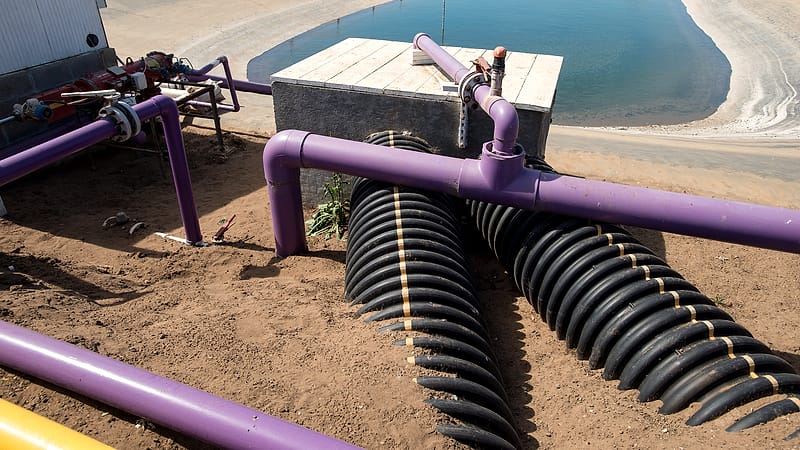
Most western states allocate groundwater by appropriation, while others apply absolute ownership, reasonable use or correlative rights. Where levels decline or wells interfere, a state agency may designate a management area after study and hearing. Designation supports a moratorium on new permits, well spacing, metering, allocations stated per irrigated acre, and scheduled reductions.
Interstate Compacts and Equitable Apportionment
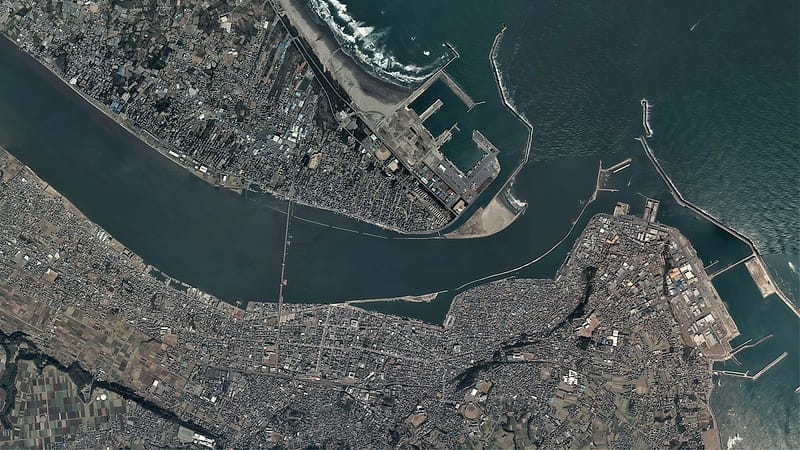
Rivers crossing state lines are divided in three ways: a compact negotiated by the states and consented to by Congress, an equitable apportionment decreed by the Supreme Court, or an apportionment enacted by statute. A consented compact becomes federal law and cannot be altered by one state. Enforcement lies in the Court's exclusive original jurisdiction over controversies between states.
Abandonment and Statutory Forfeiture of a Water Right
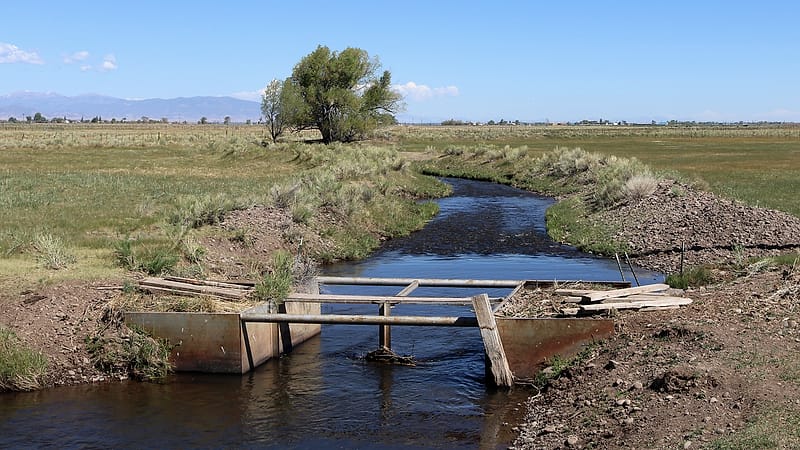
A water right can be lost in two ways that are routinely confused. Abandonment is a common law doctrine requiring both nonuse and an intent to relinquish, proved by the party asserting it, with prolonged nonuse serving as evidence of intent rather than as a substitute for it. Forfeiture is statutory and operates on nonuse alone for a fixed term, commonly five years, subject to statutory excuses and to a declaration procedure with notice and a right to be heard.