Discharge Permits: Who Needs One and What It Limits
The prohibition comes first and the permit is the only way out of it. Everything a permitted facility does afterward — the sampling schedule, the numeric limits, the monthly report, the twenty-four-hour call — is written into a document that expires and must be renewed on a fixed clock.
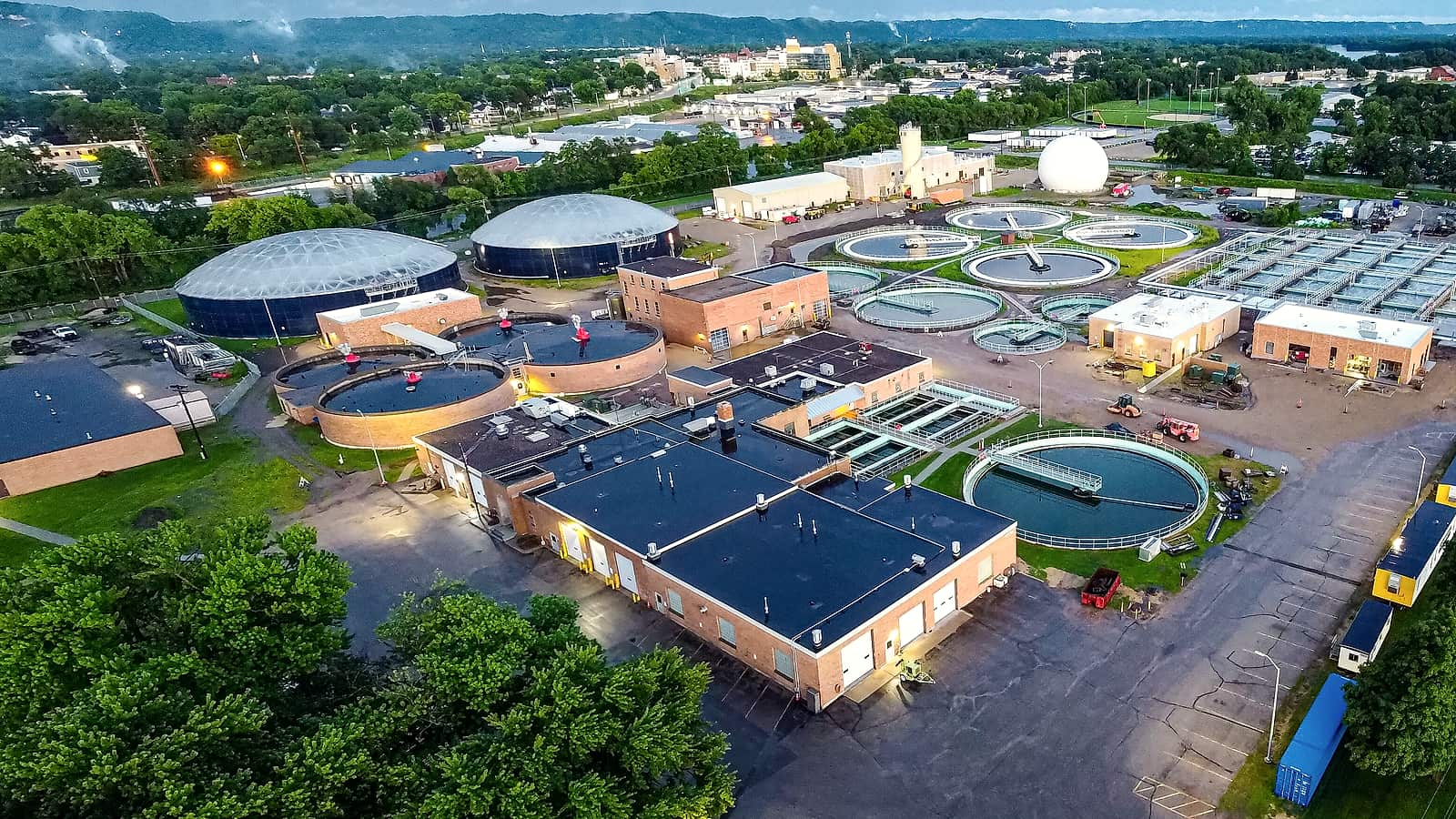
The rule in short
The Clean Water Act forbids the discharge of any pollutant from a point source to waters of the United States except in compliance with a permit. A permit sets technology-based effluent limits drawn from national guidelines, adds water quality-based limits where the receiving water needs them, and imposes sampling, recordkeeping and reporting duties. Terms run no longer than five years, and a renewal application is due one hundred eighty days before expiration.
The rule is a prohibition, not a license scheme. No person may discharge a pollutant from a point source into waters of the United States unless the discharge complies with a permit. That sentence sits in section 301 of the Clean Water Act at 33 U.S.C. 1311, and the permit program that supplies the only workable defense to it sits in section 402 at 33 U.S.C. 1342. A facility without a permit is not unregulated. It is in violation on every day it discharges.
The four elements that trigger coverage
Coverage turns on four things happening together: an addition, of a pollutant, to waters of the United States, from a point source. Remove any one and the permit requirement falls away. A point source is defined at 33 U.S.C. 1362(14) as a discernible, confined and discrete conveyance — a pipe, ditch, channel, tunnel, conduit, well, discrete fissure, container or concentrated animal feeding operation.
Two exclusions are written into that definition and both matter in practice. Agricultural stormwater discharges are outside it, and return flows from irrigated agriculture are outside it. The first keeps rain moving off a field distinct from a pipe carrying the same nutrients; the second leaves irrigation delivery and drainage to state water administration. Whether a particular flow is genuinely irrigation return flow is a recurring fight, and it interacts with how the underlying right is measured under the beneficial use and duty of water standards.
Technology limits first, water quality limits second
A permit writer builds limits in two passes. The first pass applies technology-based effluent limitations, which are set nationally by industrial category in the effluent limitations guidelines and applied without reference to the condition of the receiving water. Existing sources face best practicable control technology, best conventional pollutant control technology for conventional pollutants, and best available technology economically achievable for toxic and nonconventional pollutants. New sources face new source performance standards, which are stricter and are generally locked in for a protected period.
The second pass asks whether those limits are enough for the water actually receiving the discharge. If a technology-based limit would still allow a state water quality standard to be exceeded, the permit must carry a water quality-based limit calculated from a wasteload allocation. Where a segment is impaired and a total maximum daily load has been established, the discharger's allocation under that load becomes the ceiling.
Compliance with a permit is deemed compliance with the underlying statutory sections, which is the protection dischargers rely on. The shield reaches pollutants the agency knew about when it wrote the permit — those disclosed in the application or otherwise within the agency's contemplation. A pollutant present in the effluent but omitted from the application is generally outside it. Understating the waste stream to shorten a monitoring schedule therefore trades a small saving for the loss of the defense that matters most.
Choosing between an individual and a general permit
Two routes exist. An individual permit is written for one facility, with limits derived from that facility's outfalls and receiving water. A general permit covers a category of similar dischargers on standard terms, and coverage is obtained by filing a notice of intent rather than a full application. The general route is faster and cheaper; the individual route allows argument about the numbers.
| Feature | Individual permit | General permit | Pretreatment (indirect discharge) |
|---|---|---|---|
| How coverage begins | Full application, draft permit, public comment, issuance | Notice of intent under an already issued permit | Connection to a treatment works under local authorization |
| Where limits come from | Effluent guidelines plus site-specific water quality analysis | Fixed terms written once for the whole category | Categorical standards plus local limits set by the receiving authority |
| Room to negotiate | Substantial, during the comment period | Almost none; the terms are take it or leave it | Limited, through the local authority's variance process |
| Typical processing time | Months, sometimes longer | Days to weeks after a complete notice | Set by local ordinance |
| Who reports, and to whom | The permittee, to the permitting authority | The permittee, to the permitting authority | The user, to the treatment works |
Most states are authorized to run the program themselves, so the application goes to the state agency and the state's rules on fees, forms and appeal deadlines control. The federal floor still applies.
Sampling, records and the reports that follow
The permit specifies what to sample, where, how often and by what analytical method. Results go onto discharge monitoring reports filed on the schedule the permit sets, and those reports are self-reported evidence. They are the ordinary basis for an enforcement case.
Records of monitoring — the original strip charts, calibration and maintenance records, and the analytical results — must be retained for at least three years, and that period extends when an enforcement matter is open. Noncompliance that may endanger health or the environment triggers an oral report within twenty-four hours of the time the permittee becomes aware of it, followed by a written submission within five days unless the reporting authority waives it.
Renewal, transfer and what happens at expiration
A permit term may not exceed five years. A renewal application is due at least one hundred eighty days before expiration, and a facility proposing a new discharge must apply at least one hundred eighty days before the discharge begins. A missed renewal turns a compliant facility into an unpermitted discharger by operation of the calendar.
Anti-backsliding restricts the reissued permit from relaxing an existing limit, subject to defined exceptions. Transfers require notice to the permitting authority and, in most cases, a modification naming the new owner; a purchaser who assumes operations without completing that step inherits the discharge but not the authorization. Buyers should treat the permit file as part of diligence, alongside the record review described in the pre-purchase inquiry standard.
What noncompliance costs
Enforcement runs on three tracks: administrative penalty orders for smaller matters, civil judicial actions seeking injunctive relief and per-day penalties, and criminal liability for negligent and knowing violations.
Private enforcement is a separate risk. Any citizen may sue for ongoing violations after serving the required notice, and a monitoring report showing a pattern of exceedances is a nearly complete case; the mechanics are set out in the notice period and diligent prosecution bar. Separately, a spill or unpermitted release from a permitted facility can trigger reporting obligations that have nothing to do with the permit, on the clocks described in the release notification rules. A facility that discovers a violation before the agency does has one more option worth weighing, which is the disclosure route in the audit policy and the penalty reduction it offers.
Points to carry away
- The statutory prohibition covers any addition of a pollutant to navigable waters from a point source.
- Agricultural stormwater and irrigation return flows are excluded from the point source definition.
- Technology-based limits come from national effluent guidelines and are set without regard to the receiving water.
- Water quality-based limits are added where technology limits would still cause a standard to be exceeded.
- A permit term may not exceed five years, and renewal applications are due one hundred eighty days before expiration.
- Noncompliance that endangers health or the environment must be reported orally within twenty-four hours.
Questions readers ask
Does a facility that discharges only to a municipal sewer need a permit?
Usually not a discharge permit of its own. Sending wastewater to a publicly owned treatment works is an indirect discharge, and it is regulated through pretreatment standards rather than an individual permit. The obligations are real but they run through the treatment works: categorical standards for the industry, local limits set by the receiving authority, and reporting to that authority. A facility with both a sewer connection and a separate outfall to a stream needs a permit for the outfall.
What happens if a permit expires before the agency acts on the renewal?
A timely and complete renewal application generally keeps the existing permit in force until the agency issues or denies a new one. That continuation depends on the application being filed on time and being complete; a late filing leaves the discharger operating without permit coverage, which is the same position as never having applied. The continued permit carries the old limits, so a facility waiting on renewal must keep sampling and reporting on the old schedule.
Can a permit limit be challenged after the permit is issued?
Only within the review process the issuing agency provides, and only within its deadline. Once that window closes the limit is generally not open to attack in a later enforcement case, which is why the draft permit comment period matters more than it appears to. A discharger that believes a limit is wrong should say so in writing during the comment period and preserve the point on administrative appeal, rather than treating the issue as one that can be raised when a violation is charged.
Sources
- Cornell Legal Information Institute — 33 U.S.C. 1311, Effluent LimitationsThe prohibition on discharge and the technology-based standards that follow from it.
- Cornell Legal Information Institute — 33 U.S.C. 1342, National Pollutant Discharge Elimination SystemThe permit program, state authorization, the permit shield and the anti-backsliding rule.
- Cornell Legal Information Institute — 33 U.S.C. 1362, DefinitionsDefines point source, pollutant and discharge, including the agricultural exclusions.
- eCFR — 40 CFR Part 122, EPA Administered Permit ProgramsApplication content, permit conditions, monitoring and the reporting deadlines.
- eCFR — 40 CFR Part 125, Criteria and Standards for the NPDESHow best available technology and variance determinations are made.
- U.S. Environmental Protection Agency — NPDES Permit ProgramThe agency's own description of coverage, permit types and authorized state programs.
- Cornell Legal Information Institute — 33 U.S.C. 1319, EnforcementAdministrative, civil and criminal enforcement of permit conditions.
Lawwise is a publication, not a law firm. This article states general rules and cites its sources; it is not advice about any particular case, and the law differs by state and changes over time.
More in Environmental Law
All Appropriate Inquiries Before Buying Land
All appropriate inquiries is the pre-acquisition investigation required for the innocent landowner, bona fide prospective purchaser and contiguous property owner protections. It must be performed by or under the supervision of an environmental professional meeting stated qualifications, must include specified inquiries and user-supplied information, must be completed within one year before acquisition, and must have five components updated within one hundred eighty days of acquisition.

Citizen Suits: Notice, Standing and the Diligent Prosecution Bar
Most federal environmental statutes authorize any person to sue a violator or the administrator, after serving notice on the agency, the state and the alleged violator. The waiting period is sixty days for most claims and ninety days for endangerment claims under the waste statute. The suit is barred where the agency or state has commenced and is diligently prosecuting a qualifying action. Remedies are injunctive relief, penalties payable to the Treasury, and litigation costs.
Contaminated Land Liability and the Defenses to It
Four classes of person are liable for response costs at a contaminated site: the current owner or operator, the owner or operator at the time of disposal, a person who arranged for disposal or treatment, and a transporter who selected the site. Liability is strict, retroactive and often joint and several. The statute supplies only three defenses, and the practical protections for purchasers and neighbors require pre-acquisition inquiry plus continuing obligations.