Contaminated Land Liability and the Defenses to It
Liability for a contaminated site does not depend on fault, on when the contamination occurred, or on whether the conduct was lawful at the time. It depends on falling into one of four defined categories, and the way out is a short list of defenses with unforgiving conditions.
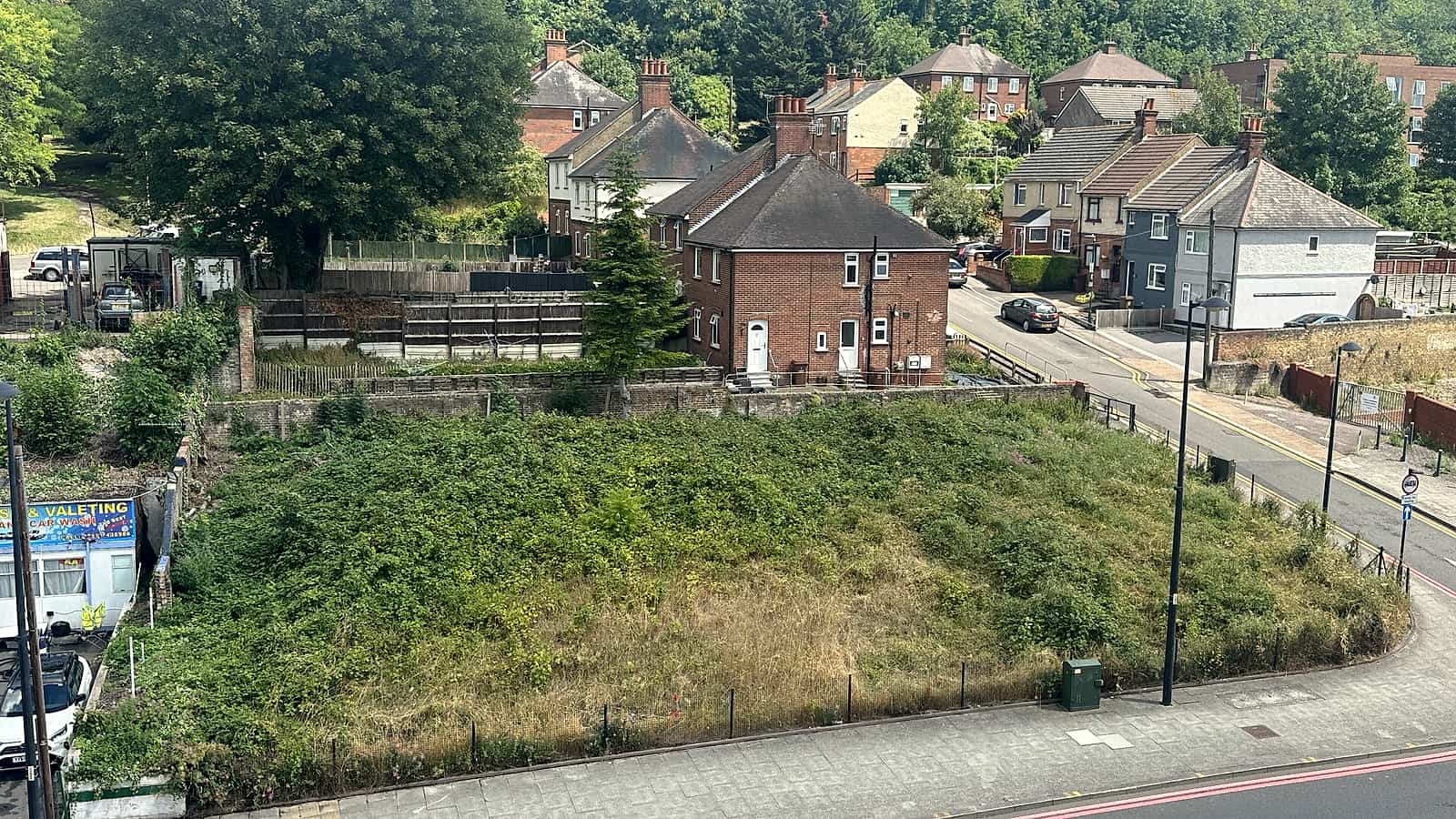
The rule in short
Four classes of person are liable for response costs at a contaminated site: the current owner or operator, the owner or operator at the time of disposal, a person who arranged for disposal or treatment, and a transporter who selected the site. Liability is strict, retroactive and often joint and several. The statute supplies only three defenses, and the practical protections for purchasers and neighbors require pre-acquisition inquiry plus continuing obligations.
The liability scheme for contaminated land is unusual in three ways at once. It is strict, so no showing of carelessness is required. It is retroactive, so it reaches disposal that was entirely lawful when it happened. And it is frequently joint and several, so one solvent party can be made to pay for the whole site and then chase the others. Understanding who falls inside it is more useful than understanding how a remedy is selected, because the categories decide everything else.
Who is a responsible party
The statute names four. The first is the current owner or operator of a facility. That category has no temporal or causal element: a person who bought last year owns whatever was buried decades before. The second is any person who owned or operated the facility at the time hazardous substances were disposed of there. Selling the property does not close that category, and it is why chain of title work goes back further than a normal real estate search.
The third is the arranger — a person who arranged for disposal or treatment of hazardous substances owned or possessed by that person, at a facility owned by another. Arranger liability is the most litigated of the four. Selling a useful product that later spills is ordinarily not arranging; selling a material that is in truth a waste, or directing that a substance be disposed of, ordinarily is. The distinction turns on intent to dispose, proved by the transaction's terms and conduct.
The fourth is a transporter who accepted hazardous substances for transport and selected the disposal site. Hauling to a destination chosen by the generator does not create liability; participating in the choice does.
The three defenses the statute actually provides
The list is short: an act of God, an act of war, and an act or omission of a third party other than an employee or agent of the defendant, or a person whose act or omission occurs in connection with a contractual relationship with the defendant. Combinations of the three also qualify. Nothing else in the statute is a defense to liability, though several provisions operate as exclusions from the definitions.
The third party defense carries conditions that swallow most attempts to use it. The defendant must establish that it exercised due care with respect to the hazardous substance, taking into account its characteristics and all relevant facts, and that it took precautions against foreseeable acts or omissions of the third party and the consequences that could foreseeably result. A deed counts as a contractual relationship, which is why the innocent landowner provision was written as a carve-out from that phrase.
Divisibility is not a defense to liability but a limit on its extent. Where a defendant proves the harm is capable of apportionment and supplies a reasonable basis for dividing it — by volume, area, time of ownership or chemical — liability is several rather than joint. That proof fails more often than it succeeds.
Bona fide prospective purchaser protection is not granted once and kept. It requires that all disposal occurred before acquisition, that all appropriate inquiries were completed beforehand, that the buyer is not affiliated with a liable party, and then that the buyer continue to comply with land use restrictions, take reasonable steps to stop continuing releases, provide cooperation and access, and give required notices. A buyer that completes the inquiry and then ignores an institutional control loses the protection it paid for.
The three landowner protections side by side
| Protection | Who it fits | What must be true at acquisition | Continuing conditions |
|---|---|---|---|
| Innocent landowner | A buyer who did not know and had no reason to know of the contamination | All appropriate inquiries completed; no knowledge of the release | Due care and precautions against foreseeable third party acts |
| Bona fide prospective purchaser | A buyer who knows of the contamination and buys anyway | All disposal occurred before acquisition; inquiry completed; no affiliation with a liable party | Reasonable steps, compliance with controls, cooperation, access and notices |
| Contiguous property owner | An owner contaminated by migration from adjacent land | Inquiry completed; no knowledge of contamination at purchase; not potentially liable otherwise | Same continuing obligations, plus not impeding the response |
| Third party defense | Any defendant whose contamination came from an unrelated party | No contractual relationship with the third party | Due care and precautions, proved for the whole period of ownership |
The differences between the first two rows matter in negotiation. Innocent landowner status fails as soon as a report identifies a condition, so it is not available to a buyer proceeding with knowledge. The prospective purchaser protection is designed for exactly that buyer, and it is why a phase one report that finds something does not end a transaction. The mechanics of the inquiry itself are set out in the pre-purchase inquiry standard.
Recovering costs from the others
A party that spends money has two routes. Cost recovery seeks response costs from other liable parties and requires that the costs be consistent with the national contingency plan. Contribution allocates costs among liable parties using equitable factors, and it is available to a party that has been sued, or that has resolved liability in a settlement. Choosing the wrong route matters, because the limitation periods differ and the elements differ.
Equitable allocation in contribution has no fixed formula. Courts weigh the volume and toxicity of each party's waste, the degree of involvement in the disposal, the care exercised, the cooperation with authorities, and the benefit each derived. The absence of a formula is the design rather than a drafting gap.
Practical consequences at a transaction
A buyer's protection is built before closing, not after. The inquiry must be completed before acquisition, its components must be current within the periods the rule sets, and the continuing obligations must be assigned to someone with authority to perform them. A buyer that documents its reasonable steps year by year is in a materially different position from one holding only a report.
A seller's exposure survives the closing, so its leverage is in the deal terms and in whatever regulatory closure it can obtain. State voluntary cleanup programs frequently offer a written no further action determination, and while those do not bind federal authorities, they resolve the question most lenders ask.
Operating facilities generate the next generation of these problems, which is why the accumulation and closure duties in the generator category rules and the container conditions in the used oil and universal waste tracks are worth treating as part of asset value rather than as compliance overhead. A release discovered during diligence may also carry an independent notification duty on the clocks in the release reporting rules, and a federally assisted redevelopment may need the analysis described in the levels of environmental review.
Points to carry away
- Liability attaches without proof of negligence and reaches conduct that was lawful when it occurred.
- A current owner is liable even if the contamination predates the purchase entirely.
- The statutory defenses are act of God, act of war, and the act or omission of an unrelated third party.
- The third party defense requires due care and precautions against foreseeable acts, and no contractual relationship.
- The purchaser, innocent landowner and contiguous owner protections all require all appropriate inquiries before acquisition.
- Joint and several liability may be avoided by proving that the harm is divisible and capable of apportionment.
Questions readers ask
Does selling the property end the seller's exposure?
No. A person who owned or operated the property at the time of disposal remains liable after the sale, and no private agreement changes that as against the government. Indemnities between buyer and seller are enforceable between the parties and are worth having, but they allocate the loss rather than removing the liability. A seller who wants finality generally needs a completed cleanup with a written determination from the overseeing agency, or a settlement carrying contribution protection.
Is petroleum contamination covered by the same rules?
Generally not under the federal cleanup statute, which excludes petroleum and natural gas from the definition of hazardous substance. That exclusion is narrower than it appears: it does not cover petroleum contaminated with hazardous substances above the levels normally found, and it does not affect state statutes, many of which impose their own liability for petroleum releases. Underground storage tank rules and state cleanup funds supply the framework for most petroleum sites.
What does contribution protection actually accomplish?
A party that resolves its liability to the United States or a state in an administrative or judicially approved settlement is protected from contribution claims by other parties for the matters addressed in the settlement. The claims of non-settling parties against each other survive, and the total liability of the non-settlers is reduced by the amount of the settlement. Settling early therefore buys certainty at a price, while holding out preserves argument but leaves the holdout exposed to the remaining share.
Sources
- Cornell Legal Information Institute — 42 U.S.C. 9607, LiabilityThe four categories of responsible party, the statutory defenses and the purchaser protections.
- Cornell Legal Information Institute — 42 U.S.C. 9601, DefinitionsDefines owner, operator, hazardous substance, all appropriate inquiries and prospective purchaser.
- Cornell Legal Information Institute — 42 U.S.C. 9613, Civil ProceedingsContribution actions, settlement protection and the limitation periods for cost recovery.
- eCFR — 40 CFR Part 300, National Oil and Hazardous Substances Pollution Contingency PlanThe plan against which response costs must be consistent to be recoverable.
- U.S. Environmental Protection Agency — SuperfundThe response process, from site assessment through remedy selection and enforcement.
- U.S. Environmental Protection Agency — BrownfieldsThe purchaser protections and the redevelopment framework built around them.
Lawwise is a publication, not a law firm. This article states general rules and cites its sources; it is not advice about any particular case, and the law differs by state and changes over time.
More in Environmental Law
All Appropriate Inquiries Before Buying Land
All appropriate inquiries is the pre-acquisition investigation required for the innocent landowner, bona fide prospective purchaser and contiguous property owner protections. It must be performed by or under the supervision of an environmental professional meeting stated qualifications, must include specified inquiries and user-supplied information, must be completed within one year before acquisition, and must have five components updated within one hundred eighty days of acquisition.

Citizen Suits: Notice, Standing and the Diligent Prosecution Bar
Most federal environmental statutes authorize any person to sue a violator or the administrator, after serving notice on the agency, the state and the alleged violator. The waiting period is sixty days for most claims and ninety days for endangerment claims under the waste statute. The suit is barred where the agency or state has commenced and is diligently prosecuting a qualifying action. Remedies are injunctive relief, penalties payable to the Treasury, and litigation costs.
Self-Disclosure and the Penalty Reduction It Buys
The federal audit policy waives one hundred percent of the gravity-based penalty where a violation is found through systematic discovery, disclosed voluntarily and promptly, corrected and remediated, and where recurrence is prevented, no repeat or serious harm violation is involved, and the discloser cooperates. Discovery outside a systematic process reduces the waiver to seventy-five percent. Economic benefit is not waived, and the policy binds only the federal agency.